
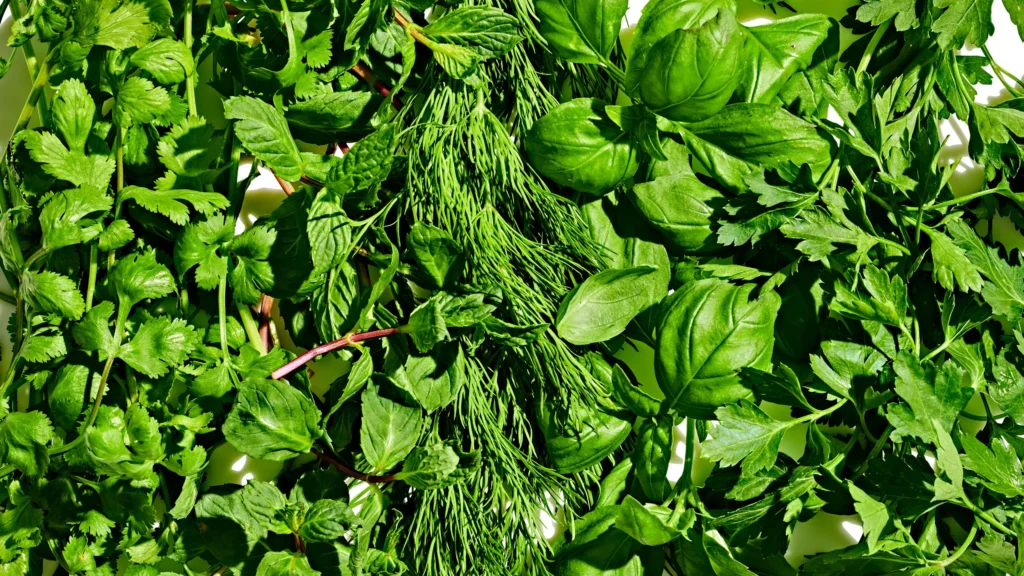
There’s something incredibly satisfying about plucking fresh herbs straight from your garden (or even a small windowsill pot!) and adding them to your cooking. The aroma, the vibrant flavor, and the sheer freshness elevate any dish from good to unforgettable. If you’re looking to start your own herb collection, or just want to know which herbs will give you the most bang for your buck, here are three essential plants that deserve a spot in every kitchen
1. The Refreshing Powerhouse: Mint Plant

Mint is perhaps one of the most versatile and invigorating herbs you can grow. Its bright, cool flavor makes it a fantastic addition to both sweet and savory dishes, and it’s incredibly easy to grow, even for beginners.
Why you need it:
Drinks: Think mojitos, mint iced tea, or simply infusing water with a few sprigs for a refreshing twist.
Desserts: It pairs beautifully with chocolate, fruit salads, and even in homemade ice cream.
Savory Dishes: Don’t limit mint to sweet! It’s excellent in Middle Eastern dishes like tabbouleh, adds a fresh note to lamb, and can brighten up curries and salads.
Medicinal: Mint tea is a classic remedy for an upset stomach or to aid digestion.
Growing Tips: Mint is a vigorous grower and can quickly take over a garden bed. It’s often best to plant it in a pot to contain its spread. It prefers partial shade and consistently moist soil.
2. The Aromatic Classic: Rosemary Plant

Rosemary is a robust and fragrant herb that evokes images of Mediterranean landscapes and hearty, comforting meals. Its piney, slightly peppery flavor is unmistakable and adds incredible depth to a wide array of dishes.
Why you need it:
Roasts: It’s the quintessential herb for roasted chicken, lamb, pork, and potatoes. Its flavor becomes even more pronounced when cooked.
Bread & Focaccia: Infuse olive oil with rosemary for dipping, or knead fresh sprigs into bread dough for an incredibly aromatic loaf.
Marinades: Rosemary adds a beautiful earthy note to marinades for meats and vegetables.
Soups & Stews: A sprig of rosemary can transform a simple soup or stew into a gourmet experience.
Growing Tips: Rosemary loves full sun and well-drained soil. It’s quite drought-tolerant once established and can even be grown as an attractive shrub in warmer climates. In colder regions, it does well in a pot that can be brought indoors during winter.
3. The Exotic Touch: Lemongrass Plant

Lemongrass brings a vibrant, citrusy, and slightly gingery flavor that is a cornerstone of Southeast Asian cuisine. If you love Thai curries, Vietnamese pho, or refreshing herbal teas, lemongrass is a non-negotiable addition to your kitchen garden.
Why you need it:
Asian Cuisine: Essential for authentic Thai green and red curries, tom yum soup, and other stir-fries.
Teas & Infusions: Brew fresh lemongrass stalks for a wonderfully aromatic and soothing herbal tea, either hot or iced.
Marinades: Its bright flavor makes an excellent marinade for chicken, fish, and shrimp.
Desserts: Believe it or not, lemongrass can add an intriguing twist to sorbets, custards, and even cocktails.
Growing Tips: Lemongrass is a tropical plant that thrives in full sun and consistently moist soil. It grows into a clumping grass and can get quite large. In cooler climates, it’s best grown in a pot and brought indoors before the first frost. You can even start new plants from stalks bought at the grocery store by placing them in water until roots form.
Adding these three essential herbs to your kitchen — whether in pots on your windowsill or in a dedicated garden patch — will unlock a world of fresh flavors and culinary possibilities. Happy cooking!